

TIRE DERIVED FUEL
Since 1988, M.A. Associates, Inc. has pioneered the use of alternative fuels that are combusted in industrial boilers and cement kilns throughout the United States. These industries include pulp and paper, cogeneration, utility and cement.
Today, M.A. Associates provides operational and environmental expertise to our customers, assisting them with the trial and long-term use of tire derived fuel (TDF). Our TDF services include the installation of permanent and portable TDF metering units and boiler performance evaluations relative to TDF.
Additionally, our logistics team manages the shipment and coordination of thousands of trucks that efficiently deliver TDF to our customers. This occurs with unique logistical concepts and daily communication among our trucking partners located throughout the United States. As a result, M.A. Associates has grown to become one of the nation’s largest suppliers of tire derived fuel.
QUALITY TDF
M.A. Associates clearly understands the importance of properly matching the tire derived fuel (TDF) specification with the applicable boiler technology. One of the foremost factors affecting TDF quality is tire wire content. If TDF quality does not meet specification, our customers’ potential fuel savings and operational efficiencies are at risk.
TDF quality is carefully monitored by M.A. Associates to ensure that our customers get reliable fuel every time. Our process involves shredding and carefully filtering scrap tires to a nominal 2″ minus size. In addition, we also carefully monitor the percentage of wire removal from tires so that we only provide the highest quality of TDF for specific boiler applications.
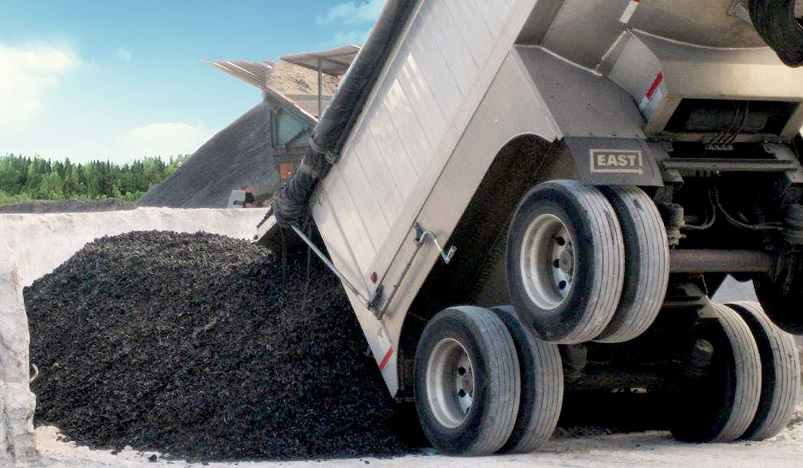
Processing
We understand the importance of properly matching the TDF specification with the correct and applicable boiler technology.

There are many different suppliers of scrap tire processing equipment. Each has its own specific technology and design characteristics it uses to effectively shred and grind the tires. In general, the typical scrap tire processing plant has three fundamental stages:
Stage 1: A belt conveyor feeds whole scrap tires into a primary shredder. This process utilizes slow speed, high torque equipment and shreds into pieces that are between 3” and 15”.
Stage 2: Multiple conveyor belts sort and organize tire pieces.
Stage 3: Shaking deck with magnet pulls out metal from tire pieces so that the rubber pieces can be converted to tire-derived fuel (TDF) and the tire wire can be processed.
Stage 4: Tire chips are added to pile to await shipment.
LOGISTICS
We operate a network of contracted processors located throughout the United States.
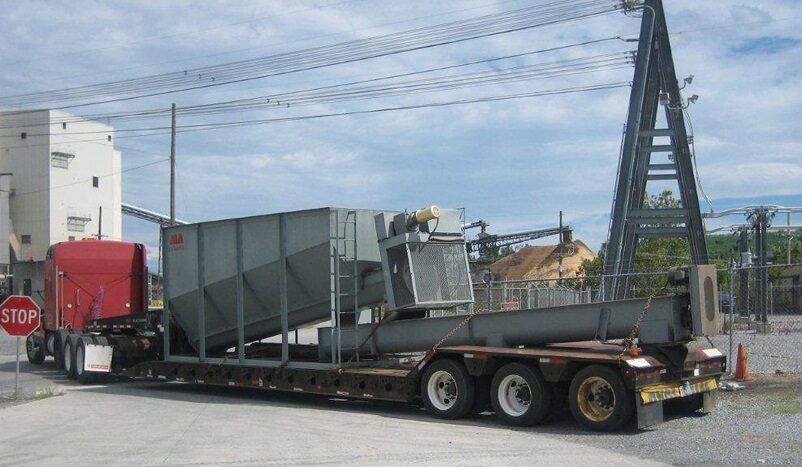
Transportation costs represent a significant portion of the delivered price for Tire Derived Fuel (TDF). The M.A. Associates logistics team, with its’ unique expertise to manage and coordinate transportation issues, efficiently and reliably move TDF from origin to destination. Our logistics team is responsible for a variety of duties that include:
- Obtaining competitive rates for all truck, barge and rail movements.
- Managing shipments via third party transportation companies.
- Monitoring production at origin.
- Monitoring and adjusting shipments to meet TDF inventory levels at origin point and end user.
- Coordinating/scheduling/managing truck arrival times during plant hours at both the origin and destination.Logistics2
- Obtaining proof of insurance.
- Obtaining certified weight scale tickets.
- Managing B/L (Bill of Ladings) for accurate invoicing.
- Locating rail sidings to provide trans-loading services.
- Locating and working with river terminal locations to provide trans-loading services for barge shipments.
- Locating the appropriate export terminals and drayage services for export opportunities.